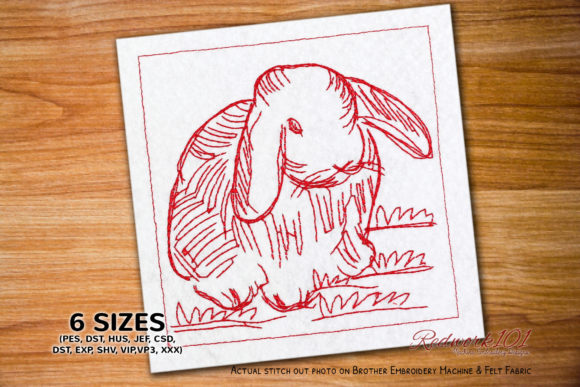
Rabbit on Grass Embroidery for Craft Fair Products
As a professional embroidery designer preparing for a weekend market, every design I choose must translate from a digital file into a product that sells. Today, I’m reviewing the Rabbit on Grass design for my booth of handmade items. This is a real-world evaluation: what looks good in person, what’s practical to produce, and where it will stand out on a crowded craft fair table.
First Impression: Simple Charm that Draws the Eye
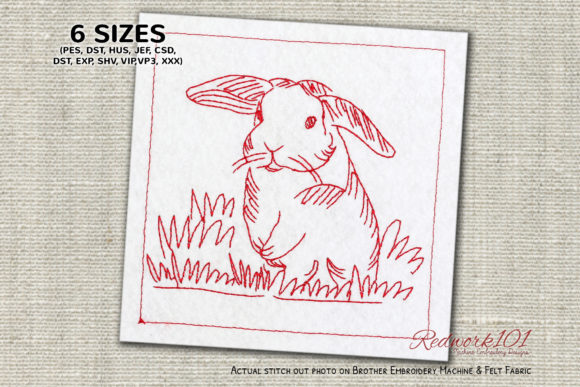
The Rabbit on Grass is an adorable redwork embroidery. Its mood is immediately clear: cute, soft, and rustic with a touch of farmhouse simplicity. It feels decorative but not overly fussy, which is a key advantage for a handmade market. Customers scanning a booth will notice its gentle character. The clean lines and single-character focus make it easy to understand at a glance, a crucial trait for busy fair environments where decisions are made quickly.
Product Performance: Where Rabbit on Grass Shines
My booth will feature embroidered tote bags, aprons, tea towels, patches, caps, small pouches, pillow covers, and giftable items. Here’s where I believe Rabbit on Grass has the best chance to sell.
Kitchen & Home Goods: The Natural Fit
For tea towel embroidery and apron embroidery, this design is a winner. Its farm animals theme feels perfectly at home in a kitchen setting. On a simple linen towel or a cotton apron, the cute little character adds personality without overwhelming the fabric. It works beautifully as a small accent near a hem or as a larger focal point on a pocket. The optional Box Stitch detail mentioned could add nice textural interest on these items, but the core design is strong enough on its own.
Accessories & Gifts: Versatile Appeal
On a fabric pouch or a market bag, Rabbit on Grass elevates a basic item into a handmade gift. It has that premium, thoughtful feel customers look for. As an embroidered patch, it could be applied to caps or backpacks, though careful consideration of the curved cap surfaces and stabilizer choice is needed. For pillow covers in a rustic or child’s bedroom décor, it creates a soft, decorative element. The minimal nature of the design means it photographs exceptionally well for Etsy listings and printable mockups, showing clear handmade quality against various fabric colors.
Tote Bag Design & Booth Display
A tote bag with this design displayed at the front of my booth acts as a perfect sample. It’s large enough to showcase the detail, and the cute character instantly creates buyer engagement. People are drawn to animals, and this rabbit on grass has a friendly, approachable vibe that encourages questions and conversation.
Practical Production for the Small Shop
Turning a digital embroidery file into a batch of craft fair products requires practical planning. Here are my notes for Rabbit on Grass.
Stitch Density & Fabric Considerations
The description calls it a redwork embroidery, which typically suggests line work rather than dense fill areas. This is excellent for production speed and for working on textured towels or thicker fabrics like canvas for tote bags. However, I always advise: test the design on scrap fabric first. Check the thread contrast, especially if you plan to stitch on dark fabric. Redwork on a dark background may lose clarity, so a switch to a lighter thread color might be necessary. Review the spacing of elements; a clean, open design like this usually hoops well.
Hoop Size & Batch Production
Rabbit on Grass feels repeatable for batch production. Its simplicity means less thread usage and faster stitching times, which is vital when preparing dozens of items for a fair. Without exact hoop size details provided in the description, my standard practice is to run a test at the size I intend to sell—perhaps a 4x4 hoop for small accents on pouches or a 5x7 for larger applications on pillows. I then inspect stitch density to ensure it’s not too sparse or too tight for the chosen fabric. Using the right stabilizer is non-negotiable, especially for items like caps or patches where fabric movement can distort the cute little character.
The Critical Mockup & Licensing Check
Before I stitch anything for sale, I create at least one real mockup. This is the moment to compare fabric colors and see how the design feels as a finished product. Does it look premium? Does it enhance the product’s value? For Rabbit on Grass on a natural linen towel, my instinct says yes. Furthermore, I must confirm the commercial embroidery license for this digital embroidery file. As an Etsy seller and small shop product maker, I never assume; I verify that I have the right to sell finished products from this design asset.
Selling Power at the Craft Fair Booth
The ultimate test is the booth itself. Rabbit on Grass affects several key selling points.
Visual Appeal & Customer Attention: Its clear, cute theme creates a focal point on a table. Mixed with other items, it offers a cohesive look if your brand leans toward rustic, farmhouse, or gentle aesthetics. It doesn’t clash with other designs.
Product Value & Handmade Quality: Well-executed on the right product, like a finely made pillow cover or a sturdy tote bag, it signals care and skill. It turns a commercial embroidery into a handmade product with soul.
Booth Display Strength: I would display it on multiple product types to show its versatility. A tea towel, a tote, and a small pouch together tell a story of usability, which increases buyer engagement. Customers who love the design can see it applied to different things they might need.
Final Designer Advice Before You Stitch
Rabbit on Grass is a charming, versatile design with strong potential for craft fair products. To maximize its success:
- Use it on products where its farm animals theme feels natural, like kitchen linens and home décor.
- Prioritize products that photograph well for your online listings, as its simplicity will show beautifully.
- Always test on your actual production fabrics, checking for clarity on textured towels and curved surfaces.
- Mind the thread color against your fabric choice; the description notes "the color of the outer," so contrast is key.
- Confirm all technical and licensing details of the embroidery file before starting batch production.
- At the fair, let its cute character speak for itself by placing it on high-visibility items at the front of your display.
This design, with its adorable redwork rabbit, is more than a digital file. It’s a tool for creating products that feel personal, handmade, and perfectly suited for the customer looking for a touch of simple, charming craft.