Bear EMT Embroidery Design Review for Craft Fair Creators
As a professional embroidery designer preparing for a weekend craft fair, every design choice matters. You're selecting files that will become the products on your table: tote bags, aprons, tea towels, caps, and pouches. Today, I'm reviewing the Bear EMT machine embroidery design from the perspective of a maker turning a digital file into profitable, handmade products.
First Impression: Cute, Bold, and Ready for a Target Audience
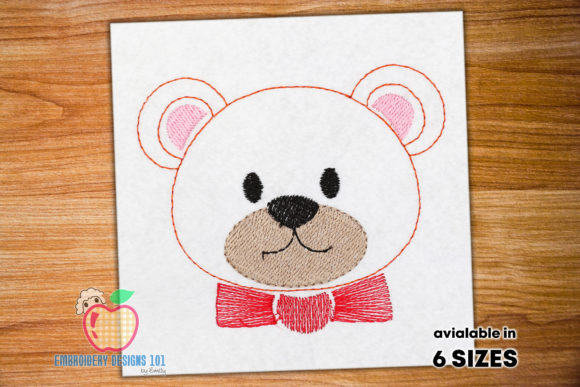
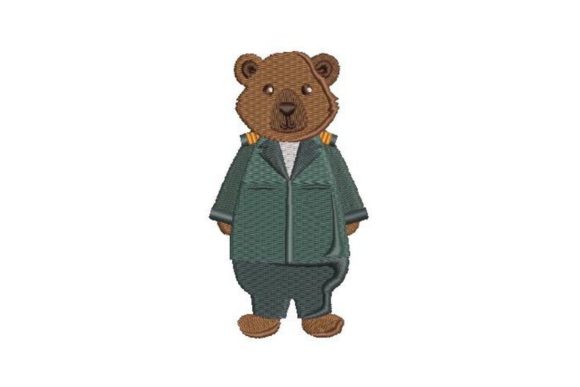
The Bear EMT title immediately sets a tone. This isn't a generic teddy bear. It's a character with a profession, a story. The first impression is adorable, boldly thematic, and emotionally resonant. It feels cute without being overly juvenile, and it has a clear hook: the medical community, supporters, and anyone who appreciates a soft, heroic touch. In a booth crowded with floral and abstract patterns, Bear EMT stands out through narrative. It’s decorative, heartwarming, and has a premium feel because it speaks directly to a person’s identity or passion.
Where Bear EMT Would Stand Out on Your Craft Fair Table
Visualizing your booth display is key. Where does this design shine? Bear EMT is a focal design. It’s not a tiny accent. On a tote bag or market bag, it becomes the main feature, telling a story as customers browse. On an apron, especially a kitchen or utility style, it adds personality and charm. For tea towel embroidery, it would be a standout piece, moving beyond simple kitchen decor into a giftable item for nurses, EMTs, or medical students.
Consider its power as an embroidered patch. This is a prime product for craft fairs. A Bear EMT patch can be applied to uniforms, bags, or jackets, fulfilling the description’s note about decorating medical uniforms. Patches are quick to produce, easy to display, and have a high perceived value. On a cap, the curved surface can be a challenge, but a well-executed Bear EMT would be a unique, conversation-starting item.
For smaller products like fabric pouches or pillow covers, Bear EMT becomes a delightful, giftable handmade product. The design feels repeatable for batch production on these items, allowing you to create a small line of Bear EMT products that reinforce your booth’s theme and attract a specific customer segment.
Practical Production: Making Bear EMT Look Its Best
Turning this digital embroidery file into a flawless finished product requires some practical forethought. As an experienced designer, my notes for this project would include the following.
Test on Scrap Fabric First. Always do this. Stitch out Bear EMT on the actual fabric you plan to use for production—whether it’s cotton for tote bags, linen for tea towels, or twill for caps. This reveals how the design performs on different textures.
Check Thread Contrast and Colors. A design with a character like this likely has multiple elements: the bear, the uniform, perhaps small details. Ensure your thread choices provide clear contrast, especially if stitching on dark fabric. Dark backgrounds can swallow details if the thread is too similar in tone.
Review Spacing and Stitch Density. Without knowing the exact stitch count, I would advise inspecting the file’s stitch density in areas like the bear’s fur or uniform. Dense stitch areas can cause puckering on lighter fabrics like towels and require the correct stabilizer to manage. A good stabilizer choice is critical for a clean finish on any fabric texture.
Confirm Hoop Size and Commercial Licensing. Before producing any commercial embroidery products for sale, you must check two vital points. First, the minimum hoop size required for the design. Does Bear EMT need a large field, or can it be scaled down for smaller items like patches? Second, confirm the license terms of the embroidery file. Ensure your use for selling handmade products at a craft fair or on Etsy is permitted. Never assume.
Careful-Use Notes for Specific Products
- Small Accent vs. Large Focal: Bear EMT feels designed as a central image. Reducing its size significantly for a tiny pouch accent might lose clarity, especially if there are small lettering or intricate uniform details. It’s best used at its intended scale.
- Photographing for Online Listings: For your Etsy listings or printable mockups, this design photographs well because it has a strong, recognizable subject. Use clean, light-colored backgrounds to showcase the details. It translates well into design assets for digital marketing.
- Batch Production Feel: The design has a consistent, charming quality that makes it feel repeatable. You could comfortably create a batch of tote bags or aprons without worrying that each one looks wildly different, aiding brand consistency.
How Bear EMT Drives Customer Attention and Product Value
At a bustling craft fair, customer engagement is everything. Bear EMT has a high engagement potential. It’s a design people will comment on. “Oh, look at that cute EMT bear!” This immediate reaction stops browsers and opens a conversation. You can share its purpose—decorating a uniform, a gift for a medical worker—which adds value beyond mere decoration.
For your small shop products, Bear EMT elevates the perceived handmade quality. A well-embroidered, thematic design feels more thoughtful than a generic motif. It suggests care and niche expertise, strengthening your booth display strength. It can anchor a section of your table dedicated to “character” or “profession-themed” items, creating a mini-collection that draws in a specific audience.
Ultimately, the success of Bear EMT as a craft fair product hinges on pairing it with the right medium. My final recommendation after this review: create at least one real mockup. Stitch it on a high-quality tote bag or a crisp tea towel. See it in person. Hold it up. That physical test will confirm its appeal, its production needs, and its ready-to-sell charm for your weekend of creative entrepreneurship.