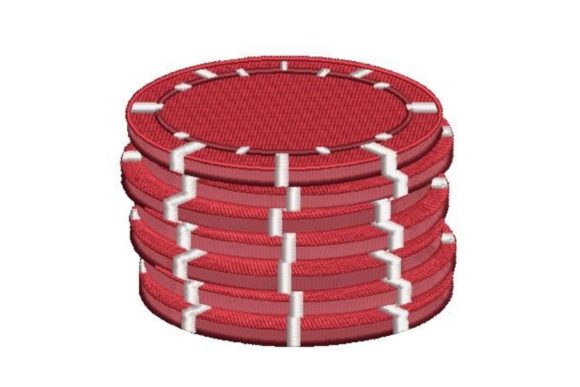
Stack of Poker Chips
A Craft Fair Designer’s First Look: Bold, Playful, and Instantly Recognizable
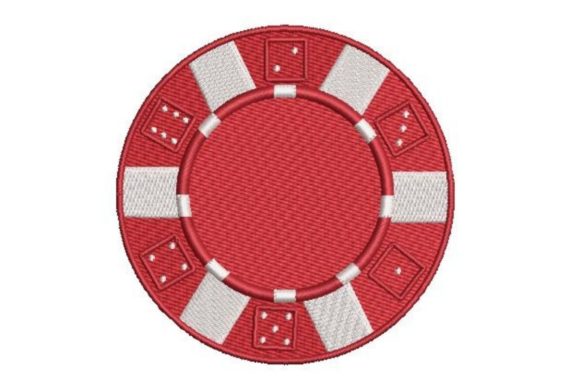
As an embroidery designer who’s prepped over 200 craft fair booths—from downtown pop-ups to rural farmers’ markets—I’ll tell you straight: Stack of Poker Chips lands with a confident, lighthearted punch. It’s not farmhouse chic or minimalist—it’s bold, graphic, and just a little cheeky. The phrase “luck bringing piece of cloth” in the description nails the vibe: this isn’t fine art embroidery; it’s joyful, accessible, handmade energy. For Games-category buyers browsing for novelty, humor, or gaming-themed gifts, Stack of Poker Chips stands out without shouting. It feels modern but warm—like a well-designed board game cover stitched onto fabric.
Where It Shines: Real Craft Fair Product Pairings
In my booth setup—featuring embroidered tote bags, aprons, tea towels, patches, caps, small fabric pouches, pillow covers, and market bags—Stack of Poker Chips performs strongest when treated as a *focused statement*, not background filler.
- Tote bag design: Centered on a natural canvas or black cotton tote, it reads clearly from six feet away—ideal for impulse buys at crowded fairs.
- Apron embroidery: Placed just above the pocket (not too low), it adds personality without overwhelming utility. Works especially well on denim or heavyweight twill.
- Tea towel embroidery: On a crisp white or oat linen towel, the stacked chip shape reads cleanly—even with subtle texture. Avoid overly nubby weaves unless you reinforce stabilizer.
- Embroidered patch: This is where Stack of Poker Chips truly excels. As a sew-on or iron-on patch, it becomes a versatile product: attach to denim jackets, backpacks, or even gift-wrapped mugs. Perfect for Etsy sellers bundling “gaming gift sets.”
- Caps & curved surfaces: Proceed with caution. The stack’s top-down perspective compresses on rounded crowns. Test stitch on scrap cap fabric first—and consider simplifying chip highlights if density causes puckering.
Production Practicality: What Makes This Design Booth-Ready
From a production standpoint, Stack of Poker Chips earns high marks for clarity and scalability. Its silhouette is instantly legible—a compact vertical stack with clear layering—so customers grasp the theme in under two seconds. That matters when your booth has 30-second attention windows.
It works beautifully at both small (2.5”) and medium (4”) sizes: tiny on a fabric pouch clasp tab, bold on a pillow cover corner. As a machine embroidery design, it avoids problematic elements like micro-lettering, ultra-thin outlines, or nested fills that trap thread. That means fewer mid-stitch stops, smoother batch runs, and consistent results across dozens of pieces.
For Etsy sellers and digital embroidery file shops, Stack of Poker Chips photographs exceptionally well. The contrast between chip edges and background pops on clean mockups—especially against muted tones like charcoal, olive, or cream. Use one printable mockup showing it on a folded tea towel and another on a relaxed-fit t-shirt: that dual context boosts conversion.
Careful-Use Notes Every Embroiderer Should Know
This isn’t a “stitch-and-forget” design—but the precautions are straightforward and common-sense:
- Dense stitch areas: Chip highlights and shadows may run slightly higher density than average. Confirm your machine handles it smoothly on medium-weight fabrics before committing to 50+ units.
- Fabric texture matters: On highly textured tea towels or thick canvas aprons, use cutaway + tear-away stabilizer combo. Skip lightweight tear-away alone—it won’t support the structure.
- Dark fabric warning: If stitching on navy, black, or deep burgundy, verify thread colors in the embroidery file match your vision. Some reds or golds mute on dark backgrounds—swap to metallic or brighter analogs if needed.
- Small size clarity: Below 2”, chip separation blurs. Don’t shrink it for tiny keychain tags—reserve those for simpler icons. Stick to ≥2.25” for readable depth.
How It Elevates Your Handmade Product Line
Stack of Poker Chips does more than decorate—it signals intention. When stitched onto a handmade product, it tells customers: *This wasn’t mass-produced. Someone chose this detail because it fits a story.* That perception lifts perceived value, supports premium pricing, and strengthens brand consistency—especially if you curate other playful, themed designs (think dice, playing cards, or poker-themed fonts).
In booth display terms, it creates visual rhythm. Pair it with neutral-toned products (linen pouches, undyed canvas totes) to let the design breathe—or go tonal with rust-red thread on terracotta fabric for cohesive warmth. Either way, it draws eyes, invites touch, and sparks conversation (“Is that real poker chips?!”), which directly fuels buyer engagement.
Designer-to-Designer Checklist Before You Stitch
Before cutting your first production fabric, run through these non-negotiable steps:
- Test the embroidery file on scrap fabric matching your final product’s weight and weave.
- Check thread contrast—especially for chip edges—against your base fabric color.
- Review spacing: ensure no part of the stack grazes hoop edge at your intended size.
- Confirm hoop size compatibility—some versions may require 5x7” minimum.
- Inspect stitch density in highlight zones; adjust tension if needed.
- Use appropriate stabilizer: cutaway for stretchy knits, medium-weight cutaway + tear-away for textured towels.
- Create at least one real-world mockup—not just digital. Drape it, hold it, photograph it in natural light.
- Compare how it looks on three fabric colors (light, mid, dark) to guide inventory decisions.
- Verify commercial licensing status before selling finished products—this is essential for Etsy sellers and small shop owners.
When done right, Stack of Poker Chips isn’t just another embroidery file. It’s a conversation starter, a craft fair magnet, and a reliable small shop product that bridges gaming culture with heartfelt handmade appeal. Keep it playful. Keep it precise. And always—always—test before you commit.