Football Ball: A Craft Fair Essential for Sports Fans
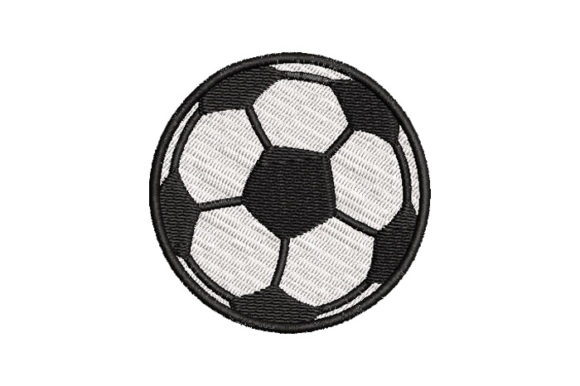
Every craft fair season, I sift through my digital design library looking for those standout pieces that will work hard on the table. The Football Ball design is exactly that kind of reliable performer. Its simplicity is its strength. It's a classic symbol, instantly recognizable, and carries an inherent energy that resonates with a huge audience.
First Impressions: Bold, Friendly, and Universally Appealing
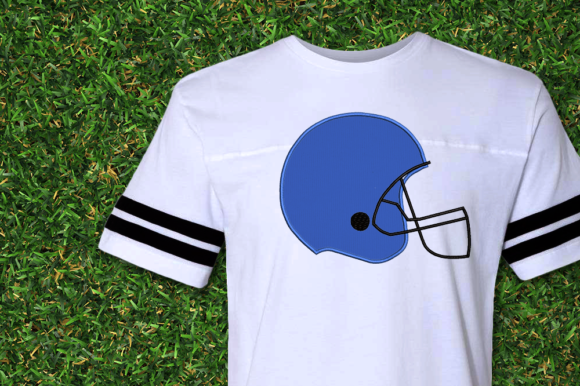
This isn't a hyper-realistic, detailed football. The description notes it as "cute and simple," and that’s the key. The mood is bold and friendly. It leans into a modern, decorative aesthetic rather than a rustic or premium one. This makes it incredibly versatile. It doesn't scream "hardcore sports fan" but instead whispers "fun, active lifestyle," which opens it up to a wider customer base, including gift-givers.
That universal appeal is crucial for a bustling fair. A customer can glance at it from across the booth and immediately understand the product's theme. There's no confusion, which means faster engagement and a higher chance of a sale.
Where Football Ball Shines on Products
When prepping for a fair, I think about my product lineup as a team, and each design needs to play its position well. Here’s where I see Football Ball making the biggest impact.
Tote Bags, Market Bags, and Aprons
This is a prime application. The design’s bold, clean lines make it a perfect focal point on a tote bag or apron. On a solid-color canvas tote, it becomes a statement. For craft fair sales, a well-embroidered tote is often a high-value visual anchor for your booth display. It's large enough to be seen from a distance and demonstrates quality craftsmanship. The same holds for aprons—it’s cheerful and functional.
Tea Towels and Kitchen Linens
On a tea towel, Football Ball shifts from a statement to a charming accent. This is a fantastic giftable item. Pair it with a simple, contrasting border stitch, and you have a product that feels thoughtful and handmade without being overly themed. It works because it's a single, clean graphic rather than a busy pattern.
Caps and Embroidered Patches
For caps, careful testing is key. The curved surface of a cap can distort designs with tiny details. Given its simple form, Football Ball should hold up well, but you must test it on scrap fabric similar to your cap material first. As a standalone patch, it's equally strong—a perfect, quick-to-produce item that appeals to both kids and adults for jackets, backpacks, or gear bags.
Pillow Covers and Fabric Pouches
For home goods like pillow covers, the design offers a subtle sports touch that isn't overwhelming. On a small fabric pouch or pencil case, it becomes a cute, personal detail. These smaller, lower-price-point items are excellent for driving impulse purchases at your booth.
The Practicalities of Production and Sale
Turning a machine embroidery design into a profitable craft fair product requires a practical eye. Here’s my real-world evaluation for batch production.
Ease of Production and Batch Repeatability
A "simple" design, as described, typically means manageable stitch density and fewer color changes. This is a dream for batch production. You can run multiples on tote bags or towels with less thread consumption and faster machine time, increasing your profit margin per item. Always confirm the specifics—like exact hoop size requirements and thread count—from your digital embroidery file before starting a production run.
Photography and Online Listings
For Etsy sellers and those using printable mockups in listings, this design is a winner. Clean, graphic designs photograph beautifully. They look sharp on both light and dark fabrics (with proper thread contrast), making your online listings look professional and cohesive. A strong, simple image like this can become a key part of your small shop product brand identity.
Navigating Fabric and Texture Challenges
Always consider the base material. On textured items like terry cloth towels, designs can lose clarity if they have very fine lines. The bold shape of Football Ball should fare well. For dark fabric, choose high-contrast thread (bright white or a vibrant color) to keep it pop. The potential pitfall for any simple graphic is scaling. If you shrink it too much for a tiny accent, the defining lines might blend. Test it at your intended final size on scrap fabric to ensure clarity.
Final Designer Notes for Booth Success
Before I commit any design to my fair inventory, I follow a strict checklist. For Football Ball, my advice is:
- Create a Real, Physical Mockup. Don't just trust the digital preview. Stitch it out on the actual fabric you'll use for your flagship product (like a tote bag). This reveals everything: thread tension, the need for the right stabilizer, and true color appearance.
- Check Thread Contrast. Stitch samples on both a light and a dark background to see which combination sells the design best. Sometimes a classic white-on-navy is more striking than the expected colors.
- Review Your Booth Layout. Where will products featuring this design live? A large tote bag with this embroidery can be a backdrop anchor. Smaller patches or pouches should be displayed in grouped collections for visual impact.
- Confirm Commercial Licensing. The product description mentions it comes as a machine embroidery design. As a professional, I never assume. I must verify that my intended use—selling finished handmade products at a fair or online—is covered under the file's license terms.
In the end, Football Ball is a solid, market-ready design. It’s not niche; it’s accessible. It photographs well, produces efficiently, and can be adapted across a range of products from high-value bags to low-cost impulse items. For any creative entrepreneur stocking a booth for a weekend market, it’s a design that works as hard as you do, attracting eyes and engaging customers with its straightforward, sporting charm.