Crescent Moon Mandala: A Designer's Review for Real Projects
When an embroidery design file lands in my library, I don’t just look at the preview image. I think about how it will actually stitch out, how it will feel on fabric, and where it would truly shine in a real project. Today, I’m putting that lens on the Crescent Moon Mandala, a design that promises a beautiful, thematic motif. Let’s walk through what this means for you as a crafter, small business owner, or creative entrepreneur.
The First Impression: More Than Just Nursery Decor
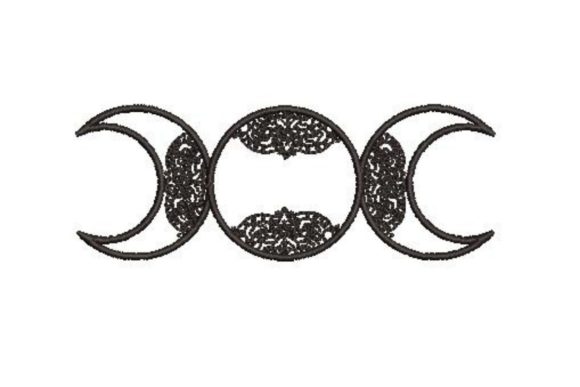
The name suggests a specific use—baby’s nursery decor—but my first impression is that its visual personality is far more versatile. The mandala style, centered around a crescent moon, creates a sense of calm, balance, and a touch of magic. It’s not overly juvenile; the layout feels sophisticated enough for adult accessories, while the theme remains gentle and welcoming. This duality is its greatest initial asset. You’re not just looking at a baby design; you’re looking at a design asset that can carry a mood across different products.
The level of detail in a mandala is always a key consideration. From the preview, it appears to have a balanced mix of elements that should translate into clear satin stitches and fill stitch areas without becoming impossibly dense. This is crucial for visual appeal and stitching clarity on the final product.
Where This Design Naturally Belongs
Let’s get practical. I’m imagining a real scenario: a client requests a custom embroidered tote bag as a personalized gift for a friend who loves celestial themes. The Crescent Moon Mandala immediately comes to mind. It’s thematic, elegant, and would stitch beautifully on the sturdy canvas of a bag. But my mind doesn’t stop there.
For small business merchandise, this design could anchor a whole line. Think of it on the left chest of a cozy sweatshirt, creating a subtle branded look for a boutique. As an embroidered patch, it could be applied to caps or backpacks. For holiday gifts, stitched onto a pillow cover or a kitchen towel, it offers a timeless, non-season-specific beauty. And yes, for baby embroidery, on a blanket or a little robe, it’s perfectly lovely. Its strength is that it doesn’t scream “baby”; it whispers “serene,” which works across ages.
Performance on Real Fabrics and Products
Now, how will it perform? This is where a designer’s experience dictates caution and optimism. On stable, medium-weight fabrics like cotton for tote bags, quilting cotton for pillow covers, or fleece for baby blankets, I anticipate this design will stitch out cleanly, provided you use the proper stabilizer. The mandala shape, with its radial symmetry, should hoop well and maintain its structure.
However, you must consider stitch density and fabric texture. On thinner fabrics like a standard t-shirt, especially a stretchy one, the fill stitch areas could potentially cause puckering if the density is high. On textured fabrics like some sweatshirt materials, the finer details might lose some clarity. And on dark fabric backgrounds, the visual impact relies entirely on your thread color contrast choices—a light, creamy thread could look stunning, while a poorly contrasting color could make the design disappear.
Careful Application Areas
Some applications require extra thought. Embroidering this onto a curved surface like a cap requires careful planning for the mandala’s circular layout; you might need to test its placement. If the design includes very small, intricate details in its outermost rings, they could be lost on a very small hoop size. Similarly, for products that need frequent washing, like apparel or kitchen towels, a design with many dense stitch intersections might wear differently over time. These aren’t flaws; they are simply the realities of machine embroidery that we, as makers, need to navigate.
Adding Value to Your Craft Business
From a commercial perspective, the Crescent Moon Mandala affects more than just aesthetics. On a finished product, a well-executed mandala elevates the perceived value. It looks intentional and professional, which builds customer trust. For an Etsy seller or craft fair vendor, a cohesive line of products featuring this design—say, tote bags, tea towels, and patches—creates strong brand consistency. Its giftability is high; it feels like a thoughtful, handmade presentation.
Using it in digital product previews or printable mockups for your online shop can boost buyer engagement, as clients can easily visualize it on an item. For digital product sellers offering the embroidery file itself, its versatility is a key selling point.
Practical Notes Before You Stitch
Before you run this file on your machine for a client project or your next small shop product, here is my standard advice. Always, always test the design on scrap fabric first. Use the same fabric and stabilizer you intend for the final project. This tells you everything: how it hoops, whether any details are too fine, and how the stitch density behaves.
Check thread color contrast by testing it on both light and dark fabric backgrounds if you plan to offer both options. Inspect the small details in your test run. Does the central moon shape retain its definition? Do the outermost patterns stitch cleanly?
Since the description mentions it comes with multiple embroidery file formats, you must confirm which formats you actually have and their compatibility with your machine before starting. Also, crucially, confirm the licensing terms before selling finished items or commercial embroidery projects. Some designs are for personal use only, while others allow commercial production. This step protects your business.
A Final, Realistic Perspective
The Crescent Moon Mandala, from my designer’s viewpoint, is a strong, mood-driven design asset. Its real-world value lies in its thematic flexibility—from nursery decor to boutique apparel. Its success on any project, however, hinges on your skill as an embroiderer: choosing the right fabric, the perfect stabilizer, complementary thread colors, and an appropriate hoop size. It’s not a magic file; it’s a beautiful tool. When applied with practical knowledge and a bit of testing, it can become a reliable part of your repertoire, helping you create handmade products that resonate with their recipients and support your creative enterprise.