A Designer's Take on the Driverless Metro Train Embroidery
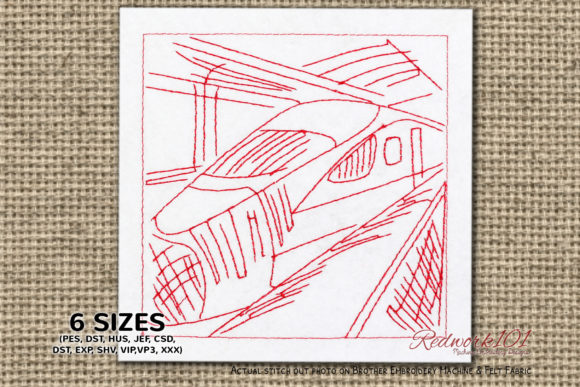
In my studio, I test embroidery files not just as digital patterns, but as future gifts. When I loaded Driverless Metro Train in a Station, I immediately saw its potential beyond the screen. This high-quality redwork design isn't just a graphic; it's a story waiting to be stitched onto fabric for someone special.
The First Impression: Modern Charm with Classic Appeal
The design strikes a wonderful balance. It feels modern and sleek, capturing the innovation of driverless transit, yet executed in the timeless, handmade aesthetic of redwork embroidery. This duality is its secret strength. It’s not overly playful or overly romantic; it has a clean, elegant clarity that would appeal to a city-dweller, a transportation enthusiast, or someone who appreciates contemporary lines. The detail level suggested a crisp, readable silhouette—perfect for creating a strong focal point on a personalized gift.
Who Would Love This as a Personalized Gift?
Imagine a customer seeking a meaningful gift. Driverless Metro Train in a Station becomes a powerful symbol. For a baby embroidery project, perhaps for a nursery in a metropolitan area, it could adorn a blanket or wall hanging, representing the city the child was born in. As a wedding gift for a couple who met on the subway or shares a love for urban life, stitched onto a pillow cover or kitchen towel, it becomes a unique keepsake. For a family keepsake, it could commemorate a daily commute or a beloved city.
Its applications are beautifully practical for sellers:
- Baby Product Creators: Nursery decor items, crib sheets, or soft blankets.
- Wedding Gift Designers: Personalized towels, apron sets, or table runners for a modern couple.
- Craft Fair Vendors & Etsy Sellers: Tote bags, pillow covers, and aprons with a sophisticated, non-seasonal theme.
- Digital Product Sellers: Offering it as a custom embroidery file allows customers to envision it on their chosen item, perhaps using a printable mockup for previews.
Planning the Stitch: Where to Use It (and Use It Carefully)
This machine embroidery design, being redwork, typically relies on clean outlines. That means placement is key for a perfect finished product.
It would shine on:
- Flat, stable surfaces like pillow covers, tote bag panels, and blanket corners.
- Light-colored fabrics where the redwork contrasts beautifully.
- Projects where the embroidered towel or apron is more decorative than heavily used.
I would advise extra care on:
- Textured fabric or thick towels that might obscure finer lines—a good stabilizer is non-negotiable.
- Stretchy baby clothes or curved surfaces, where distortion could affect the clean lines.
- Dark fabric, unless the thread color is switched from the traditional red for strong contrast.
- Items needing frequent washing; secure stitching and quality thread will ensure longevity.
- Any area with very small lettering or delicate details; a test run on scrap fabric is essential to check readability.
How This Design Elevates Your Handmade Product
Using a design like this transforms a simple item. Its giftability skyrockets because it feels thoughtful and specific. The perceived value increases—it’s not just a generic motif, but a curated artwork. For customer trust, showcasing a well-executed version on your Etsy listing or small shop product page demonstrates attention to detail and quality.
It fosters an emotional connection; the buyer isn't just purchasing a pillow, they're purchasing a memory or an identity. In product photography, its clean design makes for striking, engaging images that clearly communicate the theme. This directly boosts buyer engagement.
Practical Notes Before You Hoop the Fabric
As a professional, my process before any real customer order involves a checklist. For Driverless Metro Train in a Station, I would:
- Test stitch on scrap fabric identical to my final product material.
- Check thread color contrast against both light and dark background mockups.
- Confirm the required hoop size from the file information to ensure my item can accommodate it.
- Review the stitch density in the preview to gauge suitability for delicate fabrics.
- Use a proper, project-matched stabilizer to maintain those crisp lines.
- After stitching, meticulously check all small details and connections.
- Crucially, if selling the finished item, confirm your commercial embroidery licensing rights for the digital embroidery file before production.
The product description mentions the Box Stitch is optional. This is a valuable note—it allows for adaptability. Perhaps for a baby embroidery on softer fabric, a simpler outline might be preferable. The description leaves some technical specifics open. As a designer, I always advise: check the exact stitch count, file format, and any license terms provided with the file itself before starting your project. This due diligence protects your time and ensures the handmade product meets your high standards.
The Final Verdict for Your Gift Shop
Driverless Metro Train in a Station is a versatile, emotionally resonant design. It fills a niche in the Transportation category with sophistication. As an Embroidery designer, I see it becoming a staple for customers who want gifts that feel both personal and contemporary. It’s not just a train; it’s a connection to place, progress, and personal story—all stitched neatly into the fabric of a thoughtful, personalized gift.